Strength training for women over 40
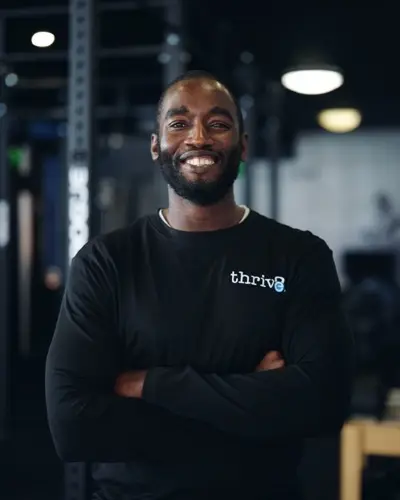
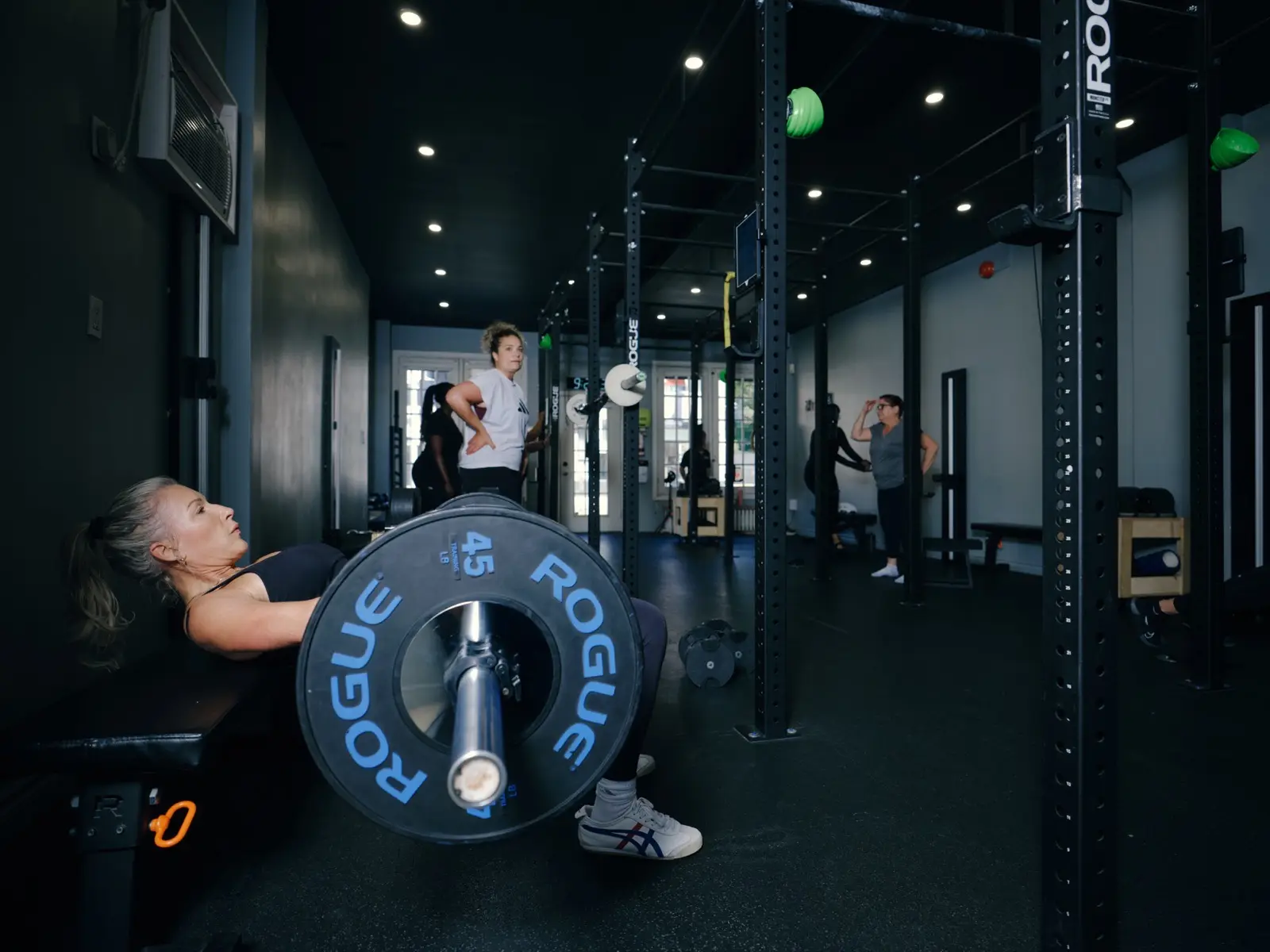
Yes, you can start lifting at 40, 50 or 65, and it's one of the most useful things you can do for your body right now. Two or three sessions a week, five basic movements, weights light enough that you control them rather than the other way round. Most women feel stronger inside a month.
What follows is what the research actually says, with every number linked to its source. Some of it contradicts what you've probably been told, including a couple of things gyms repeat confidently and shouldn't. Those are flagged.
What actually changes after 40
Muscle loss is slower than the internet claims, and strength loss is faster. Across the research, women lose muscle at a median of about 0.37% a year, rising to roughly 0.65% by 75, per a quantitative review in Frontiers in Physiology. Strength, though, falls two to five times faster than mass does. That's why things feel harder before they look different.
You don't lose the ability to build muscle after 40. You lose the assumption that it'll happen by accident.
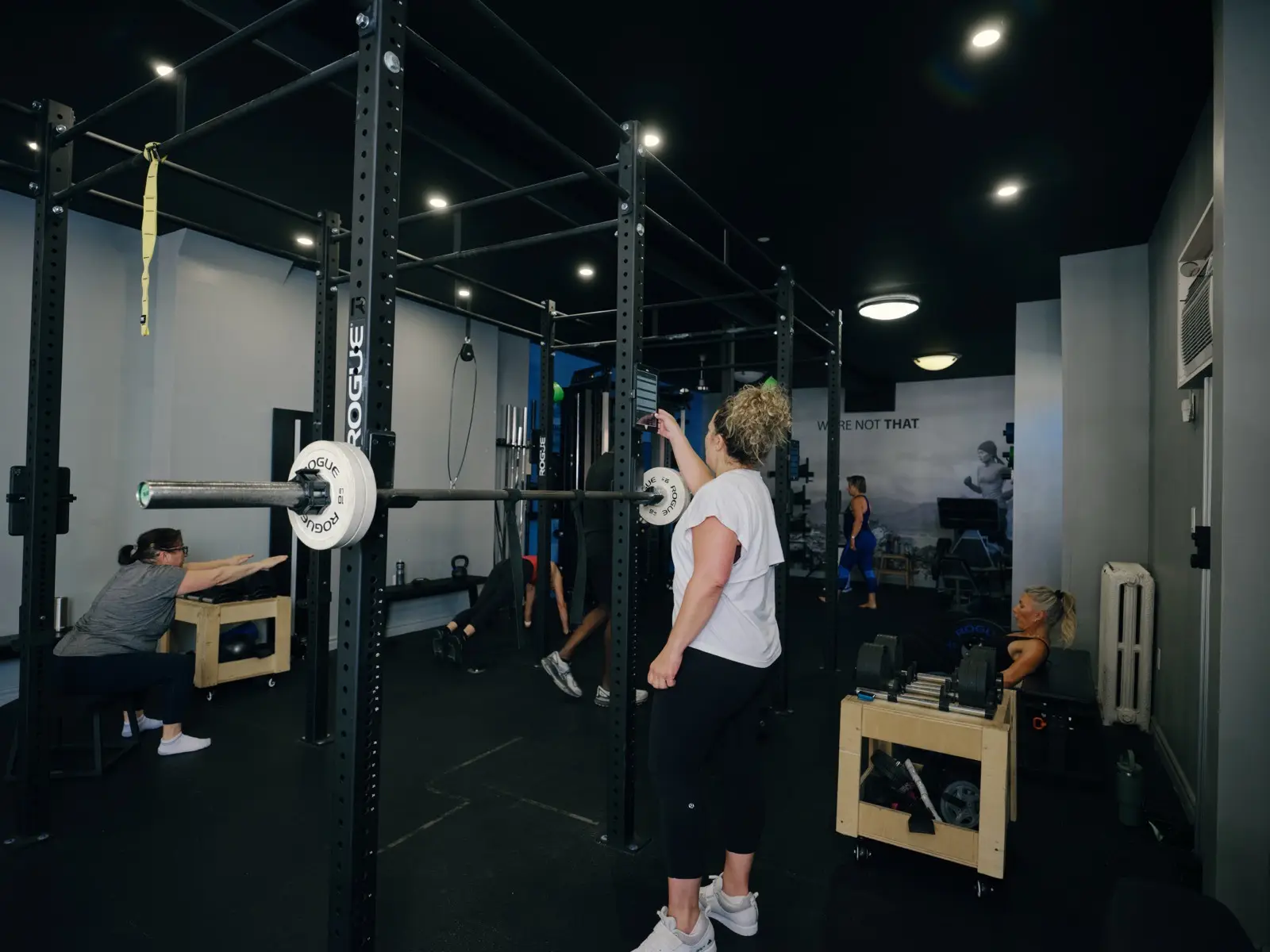
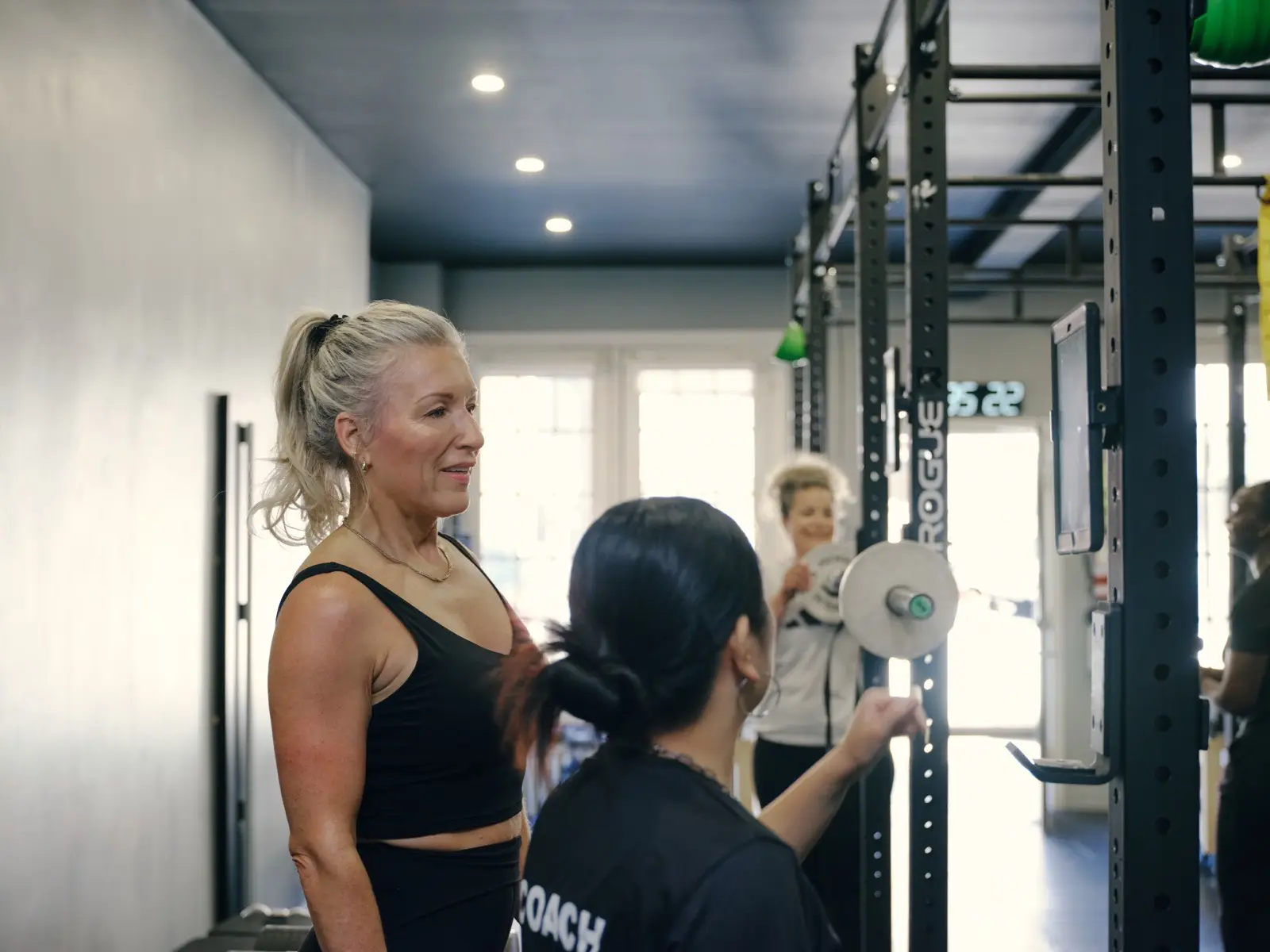
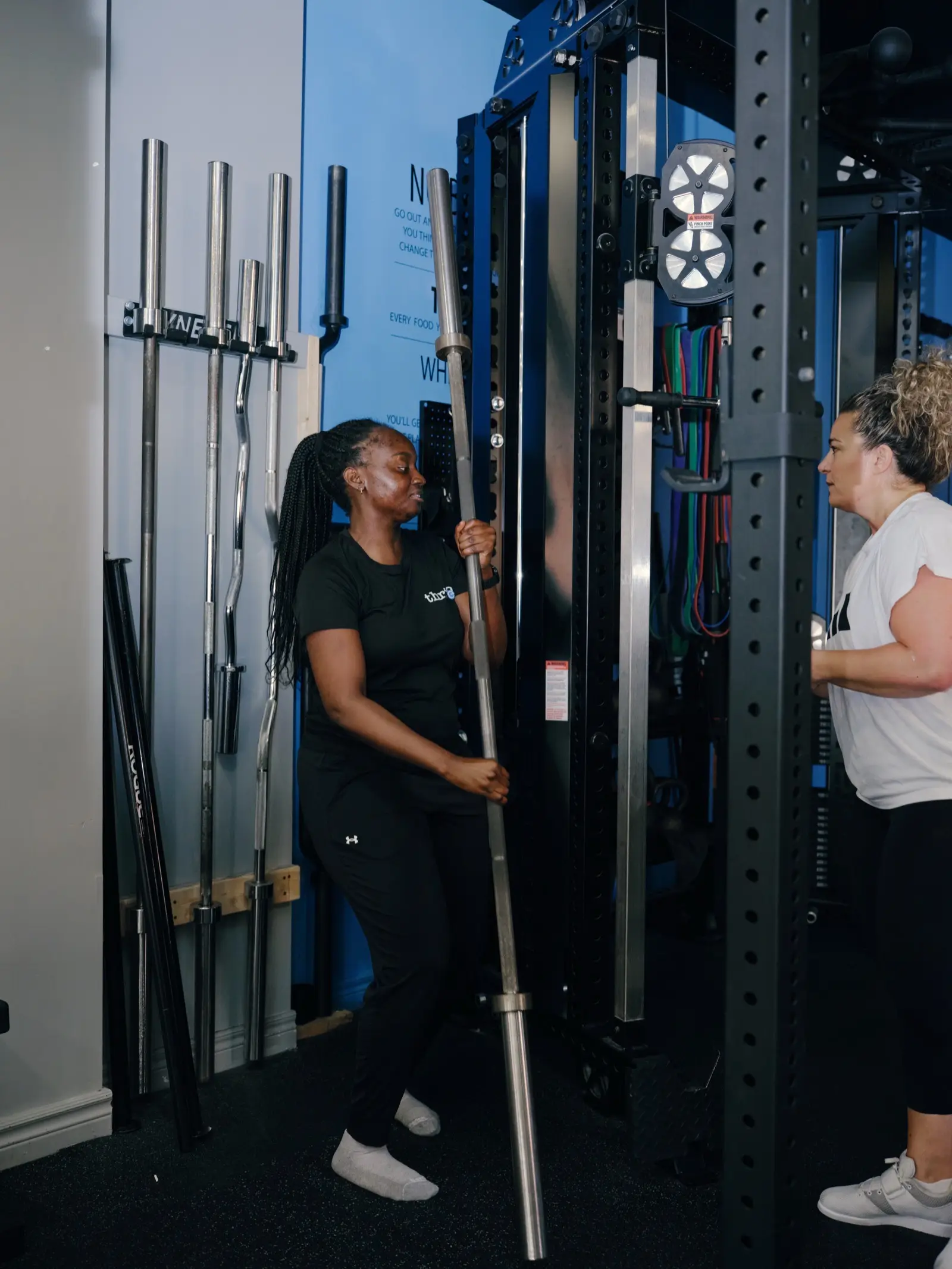
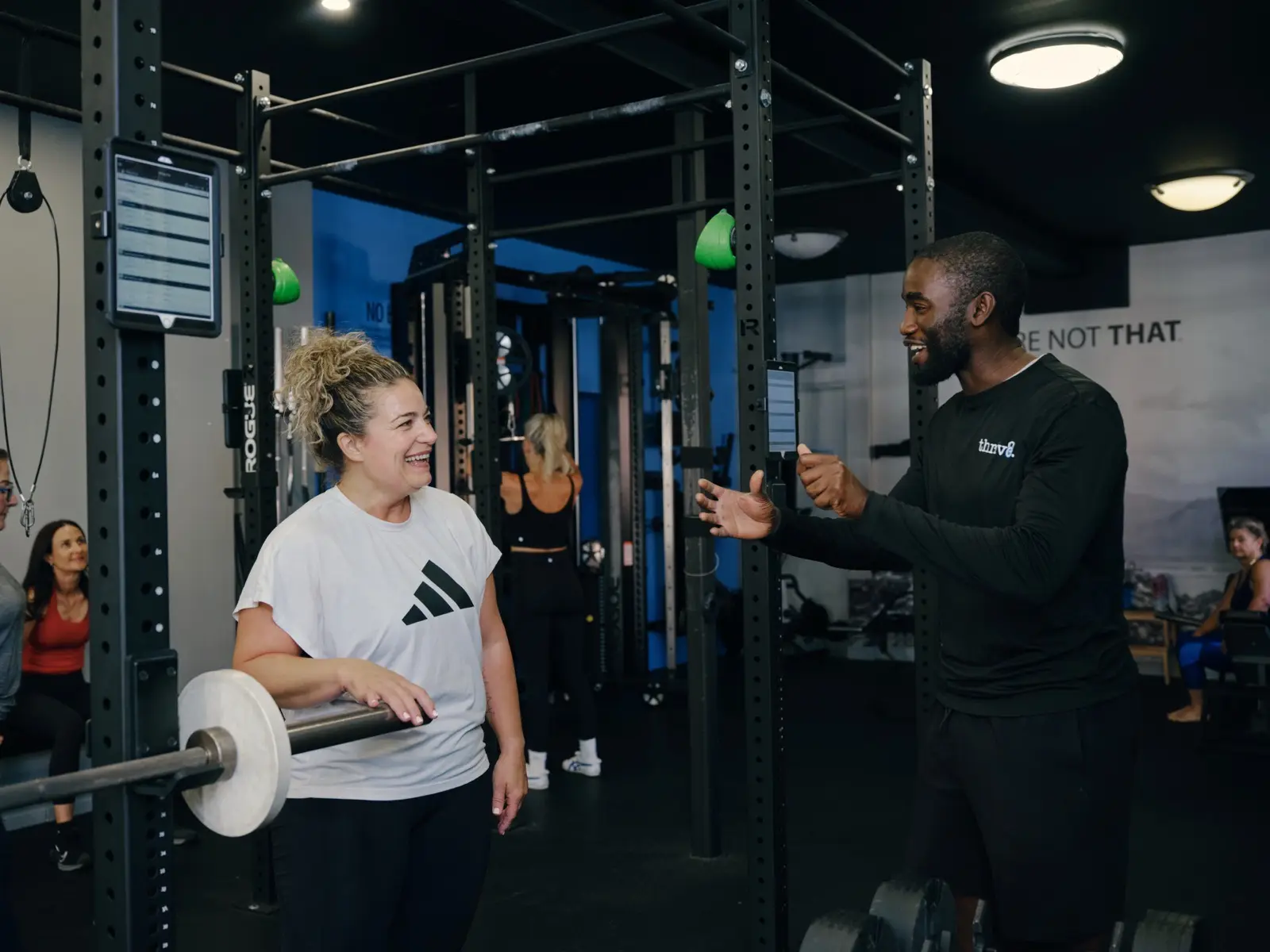
Both taken at the studio on Queen Street East. Nobody in either photo started out knowing what they were doing.
The four-year window nobody warns you about
Bone loss isn't spread evenly across your fifties. It concentrates. Following 862 women for a decade, the SWAN study found 10.6% of lumbar spine density lost over ten years, and 7.38% of that went in a single four-year stretch around the final period.
That window opens about a year before your last period and doesn't close until roughly two years after it. Bone loss slows after that, but it doesn't stop. If you're anywhere near that window, this is the most valuable time to be lifting, and the easiest time to assume you've left it too late.
Every safety trial behind this advice used supervised training. That's not a detail. It's the condition the result came with.
What lifting actually does about it
The strength gains are large and well established. Pooling 47 studies of adults over 50, a meta-analysis in Ageing Research Reviews found average improvements of 29% on leg press and 24% on chest press. Not in athletes. In ordinary people who started late.
Bone responds too, though it's fussier about how. In the LIFTMOR trial, 101 postmenopausal women averaging 65 trained twice a week for eight months and gained 2.9% spine bone density while the control group lost 1.2%. Some of them got measurably taller, because posture changes when the muscles holding you upright get stronger.
Here's the part most articles leave out, though. Lifting on its own may not be enough for your bones: a meta-analysis of 24 trials found resistance training alone produced no significant bone density gain, and it was lifting combined with impact or weight-bearing work that moved the needle. So if a gym promises you bone density from machines alone, they're ahead of the evidence.
Your first eight weeks
Two sessions a week is the floor in the Physical Activity Guidelines, and Osteoporosis Canada says the same, adding balance work. Three is better if you'll actually do three.
| Weeks | What you work on | What changes |
|---|---|---|
| 1 to 2 | Learning five movements with light weight | Coordination. Everything feels awkward, and that's normal. |
| 3 to 4 | The same movements, a little heavier | Strength. You notice stairs and shopping bags. |
| 5 to 8 | Adding weight only when reps stay controlled | Clothes fit differently, often before the scale moves |
| 9 onward | Keeping it going, which is the harder part | This is where most people lose what they built |
What we see go wrong, on the floor
We've coached in The Beaches since 2013, and the pattern barely changes. Almost nobody fails because the program was wrong. They fail in the gap between deciding and starting, or in the week after a bad week.
Here's what that actually looks like.
The women who get past all four have one thing in common, and it isn't discipline. They were shown what to do, by somebody watching, until it stopped feeling like guessing.
I'm a 65 year old woman who, for the last 10 years or so, was exercising mainly by walking. Not overweight, felt young! But realized that time is marching on and that my body needs more than brisk walks.R. Pugash, Google review, June 2025
That's the most common starting point we see: active, not unfit, and quietly aware that walking has stopped being enough. It usually isn't a weight problem. It's a strength problem wearing a weight problem's clothes.
As someone who has never consistently exercised, been very intimidated and not confident about going to a gym her whole life, I am really proud about how much I've learned, accomplished, and that I haven't missed a single week.Kate Tieng, Google review, January 2026
Not missing a single week is the whole game. It's also the thing nobody can sell you, which is why we'd rather you started somewhere good than nowhere at all.
During my first workout at Thrive, I lost my balance and fell. Rather than embarrassment, the three other people there shared they had all fallen at the beginning.Jo Bradley, Google review, January 2025
When it's worth having someone watch you
Every trial behind the safety evidence used supervised training, and the LIFTMOR authors say so explicitly. That doesn't mean you can't start alone. It means the reassuring numbers came from rooms with a coach in them, and it's worth knowing which one you're choosing.